
It’s been a long time since my last blog. A part of the reason was because life pretty much got in the way, but another part was my struggle with postpartum depression. I had what felt like the longest battle with postpartum depression. Well about two years to be exact. Thankfully, that chapter is now behind me and I am starting to feel like myself again.
My first son, Luke, turned three in March and it has been a week and a half since I’ve given birth to my second son, Matthew (Yup! Luke & Matthew). Being quarantined because of the Coronavirus pandemic has made us try to seize every opportunity to go out into our backyard and play. Luke loves to run around. He enjoys chasing the birds that perch in our yard and when I would attempt to play a very short game of wobbly tag with him (had to pause my running around since baby #2). His laugh is so joyous and infectious. He is as happy as can be and so am I. Its been a journey for me to get here though.
Luke was born on March 2, 2017. He was the greatest blessing and gift that I had ever received. He was 8 pounds, 9 ounces, and 22 inches long. He was perfect and felt like just what I had been praying for. So imagine my confusion when I suddenly started to feel super depressed a few months after. It wasn’t a feeling that I could shake. It lingered within me, day and night. I would constantly think “What is wrong with me?” I had a feeling of hopelessness a lot. I felt like giving up. I let myself go. But every morning and would wake up and my baby would smile at me and I would remember my reason to keep pushing through the darkness. But that was something I took issue with. I didn’t want to just push through, I wanted to THRIVE. But how?
I struggled with the “how” for a really long time. For a while, I turned my entire focus to my son. He occupied all of my mental and emotional space. So much so that I lost sight of who I was before him. I subconsciously pushed everyone else away; including myself. I forgot MY passions and goals. In his presence, I was able to smile big at all his cuteness but the moment I was away from him I felt empty and alone. But I would just try to fake it until I made it. Only, I was not making it. I was crumbling terribly and silently on the inside. Silently because I didn’t share what I was experiencing with anyone. A big part of me felt that I couldn’t share it with anyone. A Jamaican woman can NEVER be depressed. Sharing that would open you up to ridicule and shame. So I chose to withdraw and suffer in silence. I did have moments when I felt the tide was turning for the better, they were often shortlived.
Fast forward to 2020, quarantined, and pregnant with my second child when I finally had a moment to be still and reflect. This was when I had my real Ah-ha moment. I took the time to get to know myself. Here I was in this new space of being a mom and that was all I remembered about me; I was a mom. Throughout the first couple of weeks of staying home, I would sit in the mirror and have honest conversations. I stripped myself of all titles; mom, wife, teacher, daughter, etc, and got reacquainted with me. I rediscovered my likes, dislikes, passions, goals, and deepest inner thoughts. I relearned who I was. I was awakened at last!
I said all of that to say this, postpartum depression/anxiety is real and 1 out of 8 women will suffer from it. Here are some tips that helped me with recovery.
- Seek support if and when you need it. Find a friend, family member, mom group or professional therapist to help you work through the things you feel. Know that you are not alone. IT IS NOT JUST HAPPENING TO YOU.
- Let the help, help. Of course, your baby will be the center of your own world but hold on to a piece of your world. Take the time every now and then to connect and hang with friends. Take some time to do things that you enjoy. Practice self-care often. Take a momcation! This DOES NOT make you selfish. Ever wonder why during the airplane safety demos, they tell you to put your mask on first before assisting others? A better and more stable you, is better suited to help those that depend on you.
- Take good care of your health. Practice healthy eating, get some exercise, hydrate, get outside (sunlight is one of nature’s greatest medicines).
- Be patient. You will never be completely prepared for any new space that you have to occupy. New space always require you to grow into it. Be proud of any amount of growth you make in the right direction. As I shared before, my recovery took over two years for me to reach. During those two years, I experienced many ups and downs. Do not compare yourself to anyone else. Your recovery is your recovery. What you experience and feel can never be experienced by someone else. Show yourself some grace as you work to be better.
Here are some tips for family members and friends to help provide support:
- Know that postpartum depression or anxiety is very common.
- Just because she looks good, does not mean she is. Check in with her.
- Do not take “I’m fine” at face value. Continue to check in, continue to ask.
- If and when she shares concerns or if and when you notice signs that are concerning. Take them seriously.
- Let her know you are there if she needs you.
- Read/research postpartum depression and anxiety. Normalize conversations about it.
- Look for local resources and supports.
If you or someone you know is experiencing postpartum depression or anxiety, I hope these tips are helpful with the journey to recovery. If you’ve also recovered, share some of your own tips in the comments section.


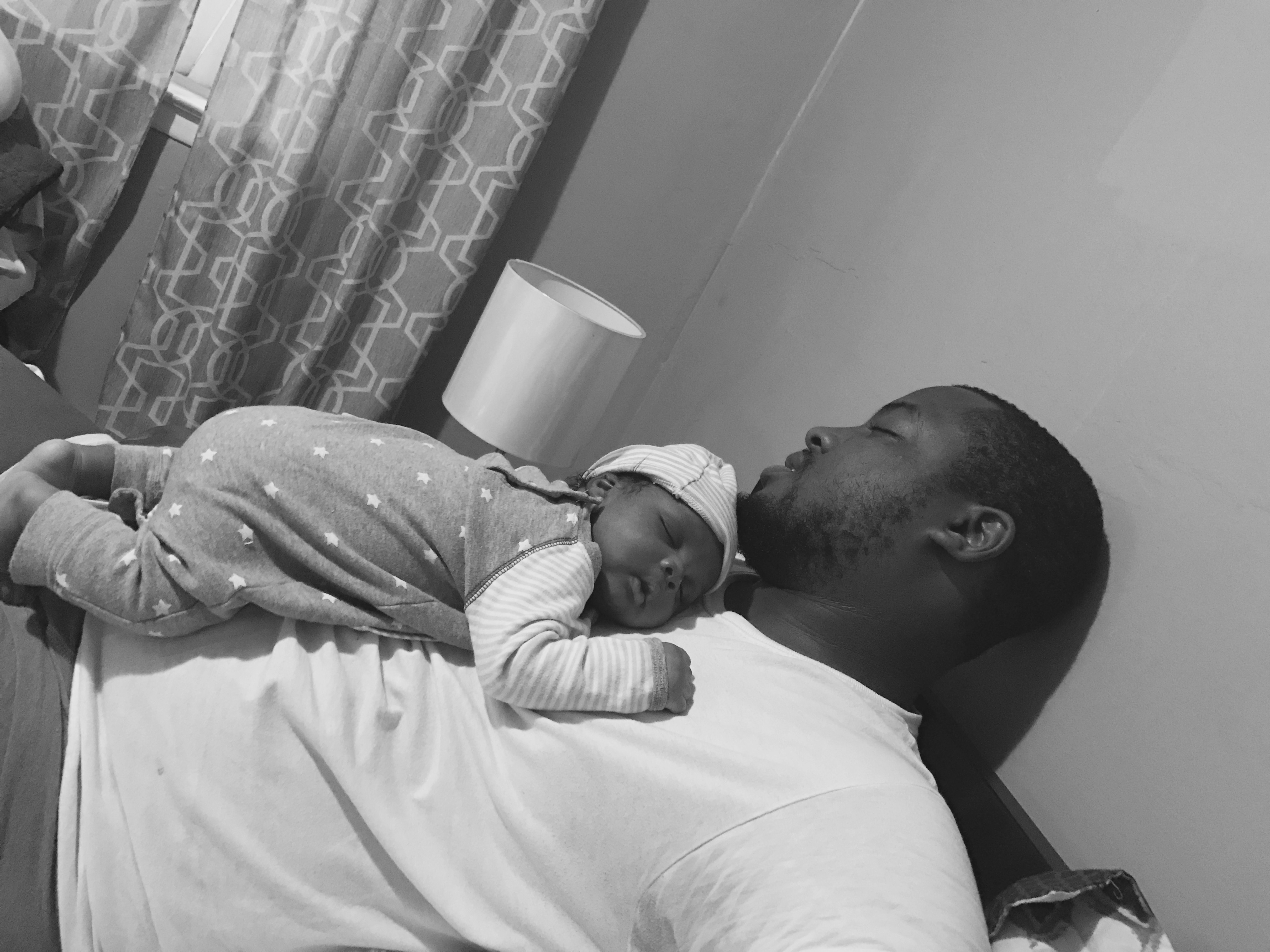
 Time to be a Mommy